
Is Your Ground Transportation An Under-Managed Opportunity?

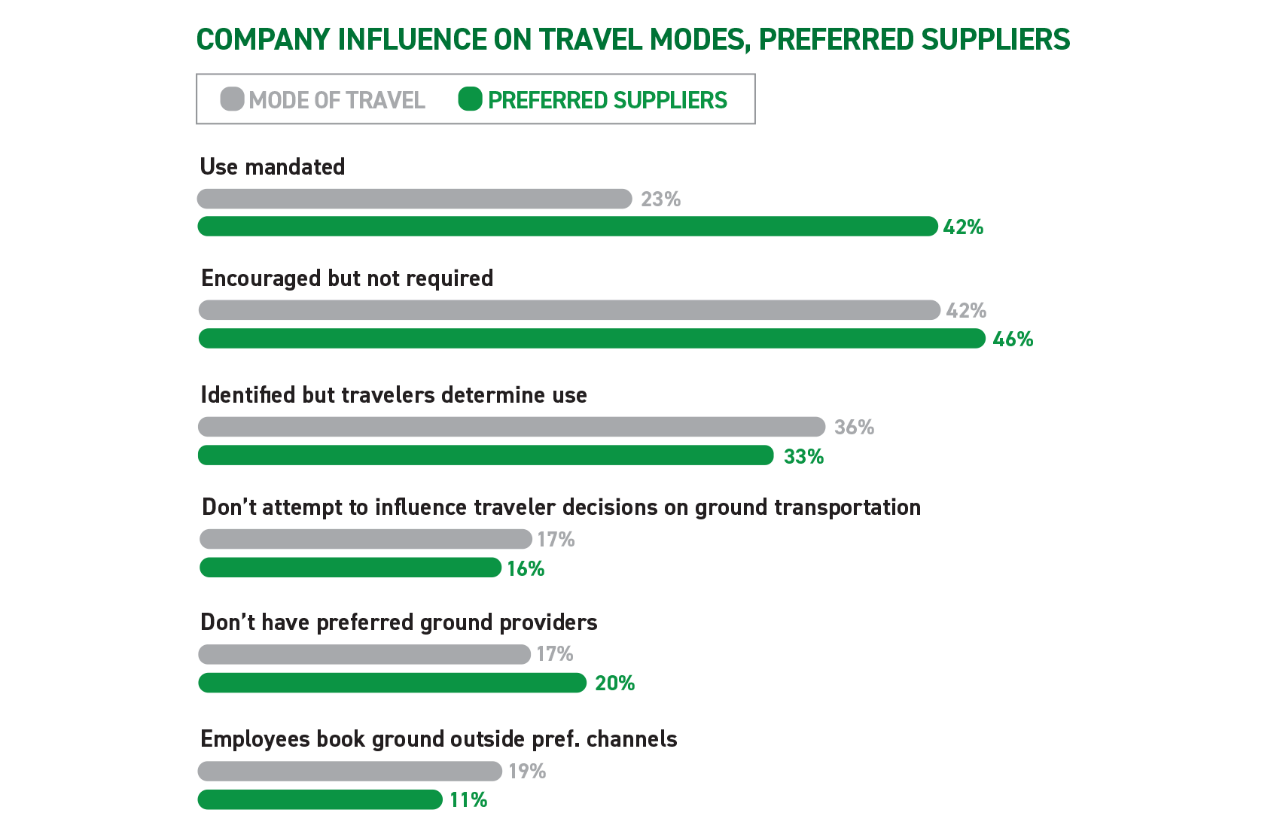
Ground transportation—the “last mile” of many business trips—remains one of the least formalized areas of managed corporate travel programs. While nearly all companies designate preferred car rental suppliers, many fail to define policies or provide guidance for other ground transport modes, leaving travelers to make their own choices or figure it out. 

Findings from a Spring 2026 BTN Group survey of 101 travel managers, conducted for Enterprise Mobility, highlight a persistent gap: despite mandates to reduce costs and improve the traveler experience, most organizations are not planning meaningful changes to ground transportation policy this year.

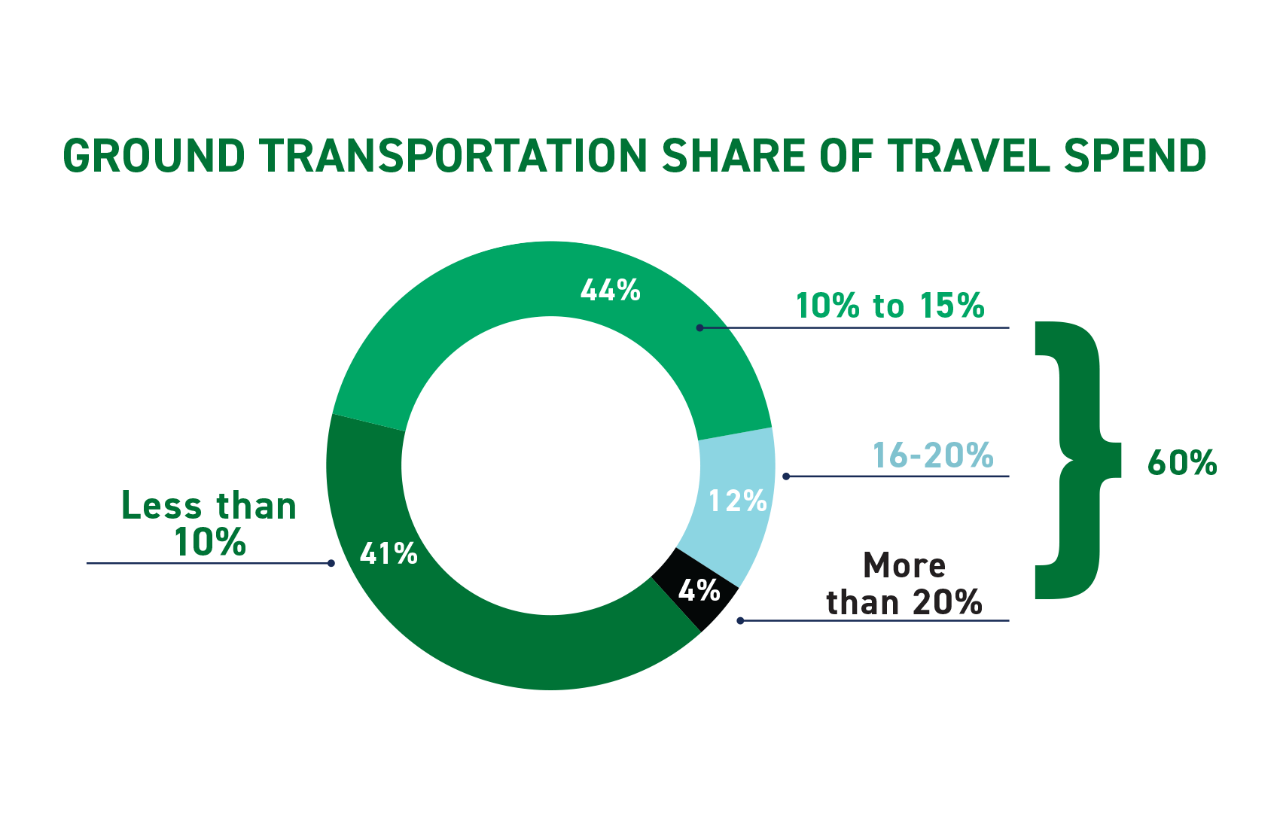
This lack of structure persists even as ground transportation represents a meaningful share of travel spend. According to the survey, 44% of travel managers report that ground transportation accounts for 10% to 15% of total spend. For one-sixth of travel managers, it comprises 16% or more. For the remaining 41% of respondents, ground transport represents less than 10% of their total travel spend. 

Mobility Management and Single Apps

While the concept of “enterprise mobility management” (EMM) emerged more than a decade ago—especially in Europe—the most recent survey indicates the centralized management of mobility options, suppliers and policies has gained traction. Seven in ten travel managers now report either established mobility policies or active discussions, a market shift from a similar survey in 2020.

The rise reflects broader workplace changes:

  • Distributed and hybrid workforces
  • Increased focus on traveler experience
  • Sustainability mandates

EMM frameworks provide organizations with a “hierarchy of mobility options” that may include rentals, privately-owned vehicles or public transit to identify company preferences for business travelers and in some instances all employees, according to an article published in Workplace Journal by Enterprise Mobility head of public sector in the U.K. and Ireland Ryan Bushell. He explains “how flexible, data-driven business travel policies can boost employee satisfaction while cutting costs and emissions.”

What’s Driving Mobility Strategy

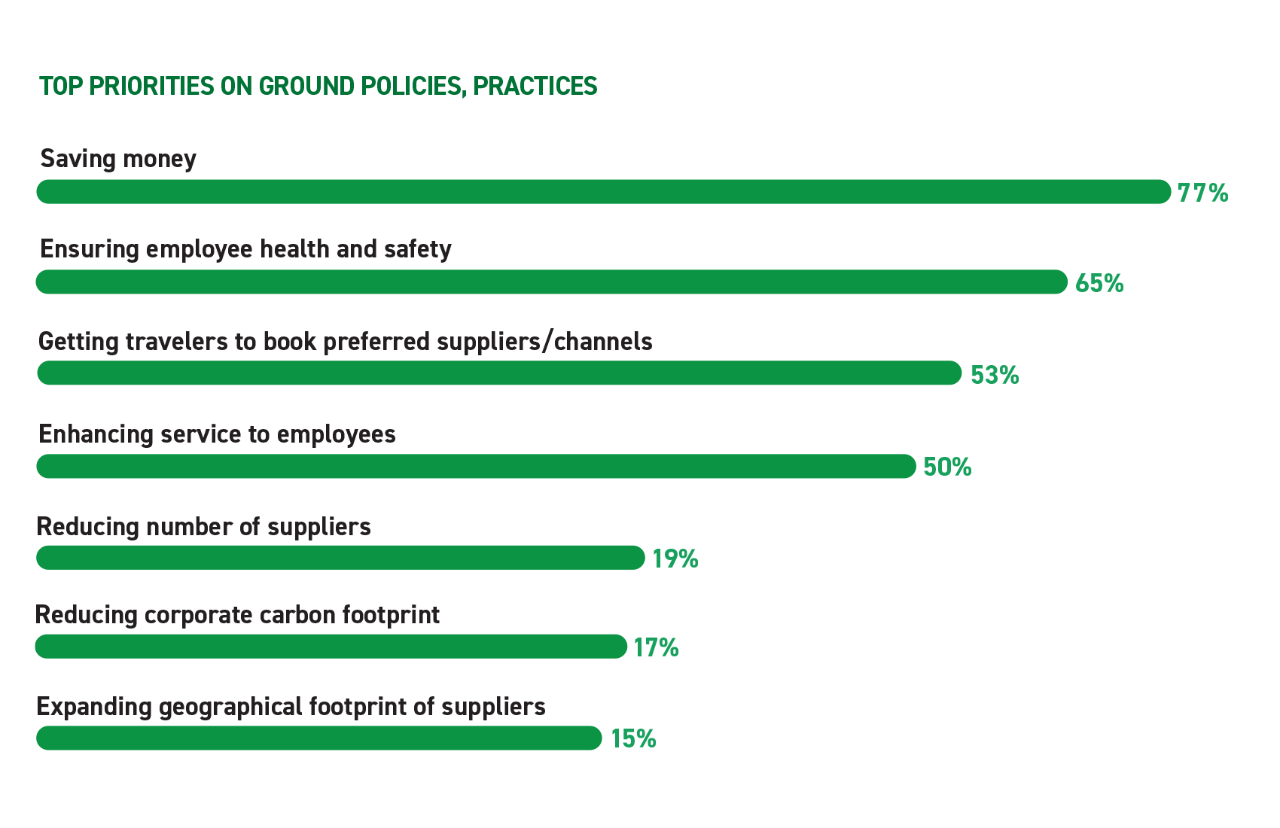
Cost and traveler experience are the primary catalysts for change:

  • 55% cite cost savings or improved traveler support as key drivers
  • 37% point to duty of care and safety
  • 26% aim to tighten policy compliance
  • 13% focus on emissions reductions

One travel buyer noted that “remote work is forcing many new policies and responsibilities,” while another referenced the addition of a mobility policy for business travel and relocations. Another said, “We are evolving our managed travel program to be more encompassing.” 

A majority of travel managers surveyed have a policy regarding supplier choice and booking tool inclusion in place for four primary ground transportation options. Predictably, these include car rentals (91%), use of a personal vehicle (74%), app-based ride-hail/share (63%), and taxi (57%).

Far fewer provide guidance on when and how to use options: 53% say they guide travelers on how and when to book a rental car; even fewer provide insights on using an app-based ride-hail, taxi, chauffeured services, public transit, scooter or bike rental. While 44% of respondents said they identified self-driving or autonomous vehicles in policies, just 14% said they guided travelers on how or when to use them. 

Findings detailed in opposite chart point to a significant opportunity for travel managers to be more proactive, whether in contracting with preferred ground transportation suppliers to realize cost savings or in communicating to travelers how to select the best supplier choices or mode options to get from point A to B. The gaps could be resulting in missed cost-saving opportunities or traveler satisfaction concerns – two area buyers cited as priorities. 


Mike Guadagnoli, Vice President of Business Rental Sales – Global Operations at Enterprise Mobility, offers this point of view: 

“ Travel policies must consider traveler experience. Speed and convenience can make or break a business trip, and features like digital check-in and counter bypass through Emerald Club can get travelers on the road faster. Plus, travelers get to choose any vehicle from the Emerald Aisle for no upgrade fee, as long as they book a midsize vehicle. This is also a win for companies because it helps drive both policy and car category compliance, delivering real value.”

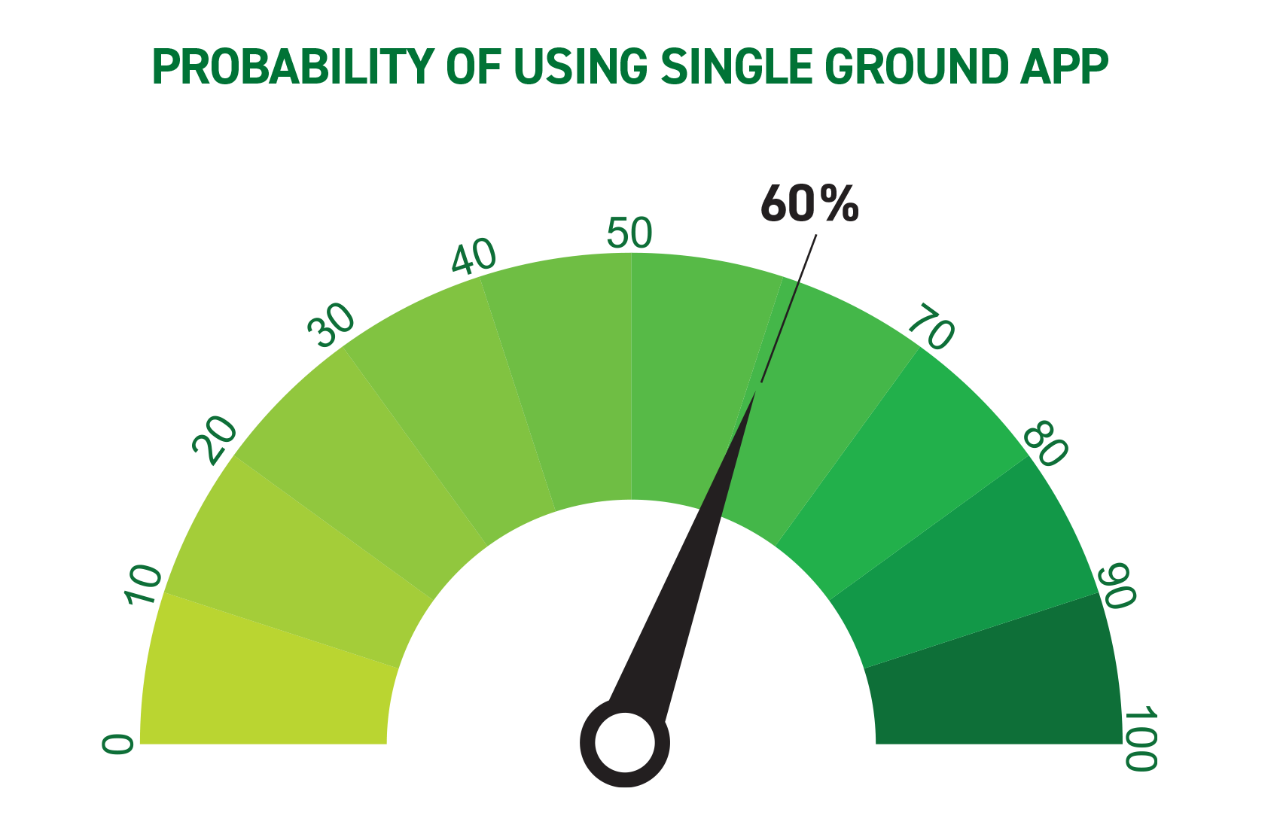
If your company had access to a single app to automatically recommend the most appropriate form of ground transportation based on your travel policy, trip purpose, itinerary, and other criteria you define, how likely would you be to implement it?

Better management could be through use of a single app to automatically recommend the most appropriate form of ground transportation based on policy, trip purpose and itinerary. Nearly nine of 10 survey respondents would likely adopt a single platform that recommends the best ground transportation option that meets their policy. . On a scale of 1 to 100, respondents rated their likelihood of adoption at 60.

Travel managers cite clear benefits: cost savings through optimized supplier selection, reduced manual processes, improved compliance and enhanced traveler safety and support. These findings are consistent with broader corporate travel research: unified travel platforms deliver cost savings through automation, centralized data, and improved visibility, while reducing administrative burden and policy leakage, according to Navan. 

Ground transportation for meetings and events can be particularly fragmented. Fewer than half said they encourage ride-sharing, 43% communicate shuttle options but do not mandate them and over half leave final decisions to meeting attendees. Lack of coordination can drive unnecessary costs and inconsistent traveler experiences. Travel managers said their policies and ground options for meetings varied considerably, depending on the meeting type.   

The Opportunity: From Passive to Proactive

Despite clear priorities, nearly half of organizations (49%) do not plan to change their ground transportation practices or policies this year.

Travel managers can take a more proactive, strategic role by:

  • Expanding preferred supplier programs across all ground modes
  • Providing clear guidance on mode selection and usage to travelers and
    other employees who may use them
  • Leveraging centralized platforms for booking and policy enforcement
  • Integrating ground transportation into duty-of-care frameworks
  • Sharing localized travel tips for key cities and routes 

Conclusion: A Strategic Level Hiding in Plain Sight

Ground transportation may not dominate travel budgets, but its impact is substantial. GBTA research underscores that organizations that treat ground transportation strategically—rather than tactically—can reduce risk, improve compliance, and unlock measurable cost savings. 

For travel managers, the opportunity is clear: transform ground transportation for an unmanaged or lightly managed spend category into a controlled, data-driven component of the travel program.

Disclosure: This whitepaper was created by Northstar Travel Group, LLC and paid for by Enterprise Holdings, Inc. The content of this white paper was developed solely by Northstar Travel Group, LLC, and all views and opinions contained herein are strictly those of Northstar Travel Group, LLC. Enterprise Holdings, Inc. and its affiliates and do not necessarily endorse the content contained herein.